For more than a decade, US opioid policy has been guided by a compelling but incomplete story: aggressive pharmaceutical marketing and overprescribing by physicians flooded communities with addictive pills, igniting an epidemic of opioid use disorder (OUD) and death. This narrative drove sweeping supply-reduction measures, including dosage limits, forced tapers, patient abandonment, and intensified regulatory scrutiny of prescribers.
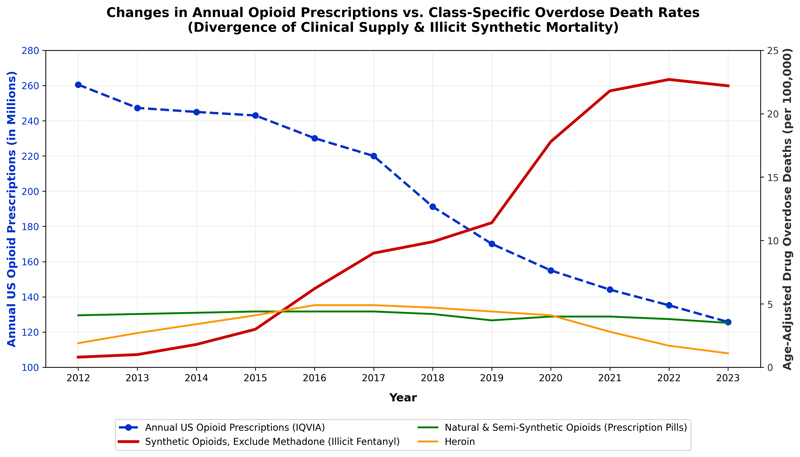
Figure 1. Opioid Prescription Trends vs. Opioid Mortality
National trends indicating the divergence between declining clinical opioid dispensing rates and rising illicitly manufactured fentanyl overdose deaths, 2012–2023. Data sources: Centers for Disease Control and Prevention NCHS Data Brief No. 522 and IQVIA/AMA Trend Data.
The results were dramatic but mismatched. National opioid dispensing rates fell from their 2012 peak of 81.3 prescriptions per 100 persons to 35.4 in 2023—a long-term decline of more than 50% (Figure 1). Yet while prescription opioid-related deaths remained flat for more than a decade, overall opioid mortality soared to successive record highs, driven primarily by illicit fentanyl rather than prescribed medications. The lesson is clear: reducing supply may limit access to certain drugs, but it cannot alone resolve a crisis driven by the deeper conditions that create demand.
Reductionist, single-cause narratives have shaped behavioral health policy and practice in ways that overlook these deeper drivers. A more effective response must integrate behavioral health, address social determinants, and move beyond inflexible containment and toward comprehensive systems of prevention, recovery, and medical care.
How Dominant Narratives Shaped Policy and Practice
Media coverage and high-profile litigation drew intense attention to commercial marketing and clinical prescribing patterns, with little mention of the social and behavioral conditions driving demand for relief. Prominent commentary and reporting frequently placed prescription therapies and illicit street drugs under a single narrative umbrella, inadvertently implying that all opioid use was inherently addictive and that clinical opioid therapy held little-to-no therapeutic value for patients with intractable pain.
This framing had consequences. A study by McGinty et al. examining US news media from 2008 to 2018 found that nearly half of opioid-related stories used stigmatizing language to refer to people with OUD. Personal stories of young, white victims predominated, oversimplifying the structural mechanisms behind the broader supply chain. As the crisis shifted toward illicit fentanyl, media framing lagged behind the data, continuing to emphasize prescriptions even as illicit synthetics drove the majority of deaths.
While some reporting rightly highlighted how economically vulnerable and physically depleted populations were hardest hit, the overarching media narratives still conflated illicit and prescription drugs, and the subsequent policy response followed the loudest, most reductionist headlines. Policymakers largely treated the crisis as a problem of supply. By focusing regulatory interventions on the drug and the prescribers, they addressed the immediate mechanism while leaving the underlying social, structural, and behavioral conditions driving demand unaddressed. This top-down narrative favored rigid regulatory thresholds over individualized clinical judgment.
The supply controls that followed contributed to sharp reductions in prescribing, but also produced unintended harms in two populations. On one front, many legacy patients with chronic pain experienced forced tapers or abrupt discontinuation, leading to uncontrolled pain, disability, painful withdrawal, psychological distress, increased emergency visits, and, in some cases, suicide or shifts to illicit markets. Concurrently, individuals suffering from substance use disorders (SUDs) were starved of adequate intervention, as public systems focused on blocking prescriptions rather than building treatment infrastructure. Meanwhile, pervasive data misclassification surrounding illicitly manufactured fentanyl—which federal data sources frequently conflated with prescription formulations in early overdose tracking—combined with pandemic-era stressors, helped preserve a misleading story about what was driving overdose deaths.
From a behavioral health perspective, the incomplete narrative did not just fail to stem rising overdoses; it intensified stigma, discouraged help-seeking, and favored administrative barriers to care. Correcting this narrative is therefore not a semantic exercise; it is an essential policy intervention.
Beyond Supply: Demand and Social Determinants
Supply-reduction efforts produced a sharp decline in prescriptions but did not prevent overdose deaths from climbing for years afterward. To explain this divergence, public health research by Dasgupta et al. underscores that blunt supply-side containment leaves most demand forces—including the root structural, economic, and behavioral drivers of substance use—unaddressed.
For the population vulnerable to addiction, the core drivers are social determinants of health, as defined by the federal Healthy People 2030 initiative. Poverty, housing instability, trauma, untreated mental illness, and eroded social cohesion fuel demand more powerfully than any single drug’s availability. Place-based analyses by rural sociologist Shannon Monnat explore these “landscapes of despair,” demonstrating how economic decline, family distress, and community erosion concentrate risk in former manufacturing and mining regions where weakened protective social structures leave individuals vulnerable.
Socioecological modeling of the crisis helps explain why it evolved from prescription opioids to heroin and then to synthetic fentanyl. Each phase reflected changing drug markets, but each also built on the same underlying demand for relief from emotional and social suffering. Supply controls may alter which substances are available to misuse, but they do not eliminate the trauma, isolation, or despair that make people vulnerable in the first place.
The Role of Advocacy in Correcting Narratives and Shaping Better Policy
Public policy is shaped not only by data, but by the stories society chooses to believe. When the opioid crisis is described primarily as a story of supply, policy tends to become inflexible, fragmented, and ineffective. Behavioral health advocacy must replace incomplete stories with more accurate, humane, and evidence-based narratives. Importantly, progress will involve breaking down medical silos and creating pathways of care that address root causes of SUD and the independent reality of physical pain pathologies.
Effective advocacy must uncouple the distinct needs of people with OUD and people with chronic pain while repairing the rigid policy framework that harmed them both. For individuals vulnerable to SUDs, advocacy should champion a comprehensive approach that directly targets the socioeconomic roots of drug demand, expands access to medications for opioid use disorder like buprenorphine and methadone, and invests heavily in community-based recovery infrastructure, peer services, and housing-first initiatives (Table 1). This approach requires going beyond earlier prevention models to recognize how forces like trauma, untreated mental illness, and socioeconomic despair drive the demand for substances.
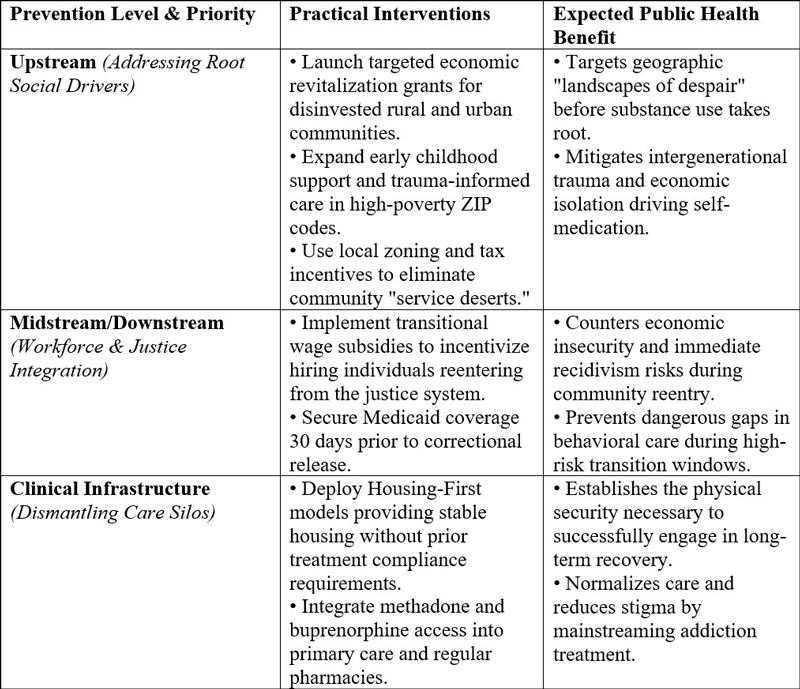
Table 1. Future Policies: From Upstream Roots to Structural Repair
For patients with chronic pain, advocacy must protect the patient-provider relationship and restore clinical autonomy. By treating chronic pain as an independent medical reality rather than an inevitable stepping stone to addiction, policymakers can empower clinicians to evaluate patients as individuals rather than numbers on a chart.
Building an effective, equitable health system requires policymakers and advocates to look beyond the mechanism of the drug and address the deeper landscapes of human suffering. By elevating distinct stories of resilience alongside data on social determinants, advocates can move toward tailored, evidence-based healing.
Conclusion
The opioid crisis cannot be solved through the narrow lens of supply-centric policies. While reducing inappropriate prescribing was a necessary clinical adjustment, squeezing the legal supply did not eliminate demand. Instead, it shifted the market toward more lethal illicit synthetics while inflicting unintended harms on legacy pain patients and underserved individuals with SUDs.
Moving forward, the next phase of behavioral health policy must look beyond supply, shifting public investments toward the upstream social, economic, and structural determinants that fuel drug demand while expanding treatment and recovery infrastructure. Concurrently, public health systems must protect legacy pain patients by restoring individual clinical autonomy and respecting the physical reality of intractable pain. The work to build a more effective, equitable health system begins by telling a truer story.

Lynn R. Webster, MD, is one of the world’s leading authorities on pain management, addiction medicine, and the complex interplay between public policy, misinformation, and human suffering. Board-certified in Anesthesiology, Pain Medicine, and Addiction Medicine, and a past president of the American Academy of Pain Medicine (AAPM), he is the author of “The Painful Truth: What Chronic Pain Is Really Like and Why It Matters to Each of Us” and co-producer of the video documentary, “The Painful Truth,” which has aired on Public Broadcasting stations throughout the United States. His new book, co-authored with Sarah Eichberg, is Deconstructing Toxic Narratives: Data, Disparities, and a New Path Forward in the Opioid Crisis (May 28, 2026). Learn more at lynnwebstermd.com and lynnwebstermd.substack.com.