The Feeling of Losing Hope
For two decades, daily life made me feel like I was moving through deep sand. Getting out of bed felt impossible, and even walking to the kitchen to do simple tasks like refilling my water bottle felt like a marathon. I dreaded waking up each morning, knowing I would have to face another day.
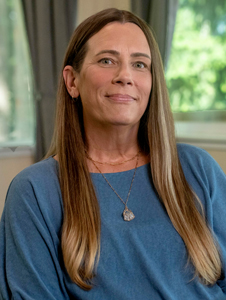
Suzanne F.
My mental health journey started in 2003 when I became pregnant with my daughter. I experienced serious health complications and a mental health crisis causing severe depression. After years of searching for answers, my doctor at the time believed I was experiencing mania, leading to me being diagnosed with bipolar II disorder in 2005.
But following that initial diagnosis, and after cycling through multiple treatments, my symptoms didn’t improve. I wasn’t finding relief and continued to struggle through daily tasks that once seemed so easy. I would make plans with friends and cancel, I wasn’t able to be there for my husband the way I wanted to, and I avoided basic self-care like doctors’ appointments.
I felt hopeless and began to isolate myself from my friends and family because I couldn’t imagine a future for myself. Listening to my loved ones talking about their goals made me feel lonely, no matter how many people I was surrounded by.
A Second Opinion and New Diagnosis
After decades of struggling with my mental health, I found myself in a very dark place. Despite doing everything I could to be present for my daughter throughout my darkest periods, she still noticed how disconnected I had become. My daughter remarked that I seemed like I was living in a fog, and I know this made it difficult for her to truly connect with me.
The fog I was living in didn’t go unnoticed by the rest of my loved ones. By 2023, scared by what might happen if my mental health didn’t improve, my family encouraged me to seek a second opinion.
The new provider I met spent nearly two hours reviewing my history and truly listening to my experiences. Based on her assessment, she believed that major depressive disorder (MDD) better explained what I had been experiencing. By taking that time to really understand my treatment journey, my new provider was a crucial turning point.
After diagnosing me with MDD, my provider and I discussed a new treatment approach, which included lumateperone, an FDA-approved adjunctive treatment for adults living with MDD, alongside an oral antidepressant.
Together we carefully considered the risks and benefits and ultimately decided to give it a try. Although treatment results can vary from person to person, I gradually began to notice meaningful changes. It’s my hope that other patients on the path to diagnosis can connect with their providers in the way that I was able to and collaborate on care plans that will bring them relief.
Waking Up from the Fog
After starting my new treatment plan, it felt like a fog was lifting. My symptoms improved more than they had in two decades. I began to sleep through the night, my intrusive thoughts subsided, and, most importantly, I was able to be more present with family and friends.
Somewhere along the way, waking up became exciting and I looked forward to each day. I began taking walks, making coffee, spending time outdoors with my husband, and floating in the pool. I even felt energized enough to take on home improvement projects. Over the past 20 years, my garden has been unkempt and withered. But now, I’m building it into a beautiful landscape, vibrant with color and life, much like I feel today.
My brain, which had felt like mush for 20 years, was finally awake. It feels like 50 pounds of mental weight has been lifted, and my newfound lightness makes it possible for me to be an active participant in my life again.
Reclaiming My Life
More than anything, my family and friends noticed the changes too, and being able to reconnect with them has been one of the most meaningful parts of my journey. My sister told me she isn’t afraid for me anymore. My husband, who has carried the burden of worrying about me and maintaining our family for so long, notes that I seem more like my old self. When his mother fell ill and passed away, I was able to finally be there for him, rather than the other way around. It’s been a privilege to watch my daughter continue to grow into adulthood and pursue grad school, and my husband and I are now looking forward to renewing our vows.
There are so many things I used to avoid, but I no longer want to miss out on connection and community. I created a bucket list, I’m traveling, and I’ve gotten involved in mental health advocacy. I’m planning for a future that I couldn’t have foreseen before I switched treatments.
My Message of Hope
I’m so grateful to all my loved ones for their support when I was struggling with my mental health, and equally as grateful to now be in a place where I can support them in return. When self-advocacy was difficult, they spoke up for me and made sure I got the help I needed. I encourage anyone who feels the way I did to speak to a friend or family member. Asking for help is one of the bravest things you can do. I’m also grateful to my provider, and I hope that sharing my story can help others consider reassessment or consulting a colleague when multiple treatments have not provided relief for a patient.
I have things to look forward to, and so can you. It is my hope that everyone who is struggling with their mental health can speak up, find a support system, and seek the help they need. Ask your loved ones for help when self-advocacy feels impossible and speak openly with providers if your symptoms are not improving. Connect with support groups and community resources. Even when it may feel like you’ve run out of options, don’t lose hope.
I used to feel like I was a victim of mental illness. Now, I’m a survivor of it. You can be too.
Suzanne F. is a substitute teacher living in Phoenix, AZ. Following her 20-year journey to diagnosis, she has become passionate about encouraging others to seek mental health support and advocate for themselves.