Someone enters residential treatment. They have made one of the hardest decisions of their life. They give up their phone, their schedule, their routine. For the next 28 to 90 days, almost every aspect of their day is structured for them. When they wake up. When they go to therapy. When they sleep.
And then they sit down to eat.
What is on that plate is not a small thing. For people in recovery from substance use disorders, mental health crises, or co-occurring conditions, food is one of the few moments in the day that can feel personal. It can communicate care. It can offer something familiar in an unfamiliar environment. Or it can feel like one more thing being done to them rather than for them.
Most programs do not set out to get food wrong. They get it wrong because getting it right is genuinely hard.
The Operational Reality
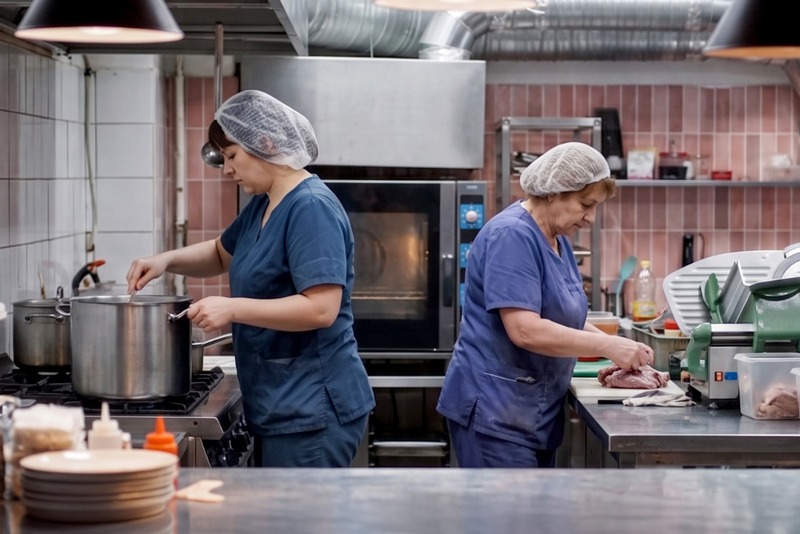
Running a commercial kitchen inside a residential behavioral health program is one of the most underestimated operational challenges in the industry. The costs alone tell a significant story.
A full commercial kitchen buildout in 2026 runs between $250 and $500 per square foot. For a 1,500-square-foot kitchen, that translates to $375,000 to $750,000 fully loaded before a single meal is served (Modular Culinaire, 2026). Permitting adds time that most programs do not budget for. In markets like coastal California, New York City, or Washington D.C., commercial kitchen permits alone can take 9 to 18 months (Terrapin Construction Group, 2026). The National Restaurant Association has found that 78% of foodservice operators underestimate renovation duration by at least four weeks.
Once the kitchen is built, staffing it is its own challenge. The foodservice sector averaged 65.5% annual turnover in 2025 (Bureau of Labor Statistics, via Homebase, 2025). Programs running their own kitchens are, in effect, rebuilding their culinary teams nearly every year. When kitchen staff call out or leave, the gap is frequently filled by case managers, residential technicians, or clinical staff who have other things they were hired to do.
This is not an edge case. It is a routine operational reality for residential programs across the country.
What the Research Says
The research on nutrition and behavioral health recovery is clearer than most programs’ food service models would suggest.
A 2025 peer-reviewed study published in the journal Healthcare confirmed that malnutrition is frequently observed among people with substance use disorders and remains an often-overlooked factor that can impact both disease progression and recovery outcomes (Soare et al., 2025). Chronic substance use disrupts nutritional choices, nutrient absorption, and the hormonal mechanisms that regulate hunger and appetite. Nutrition, the researchers note, is important to neuroplasticity.
The gap between what the research recommends and what programs actually provide is significant. Fewer than 7% of treatment centers use a nutritionist as part of their services. Only half of residential programs offer any form of nutrition education (Wiss et al., 2019; Reid, 2014, cited in Utah State University Extension, 2024).
A clinical trial at the University of Vermont closed that gap directly. Patients in opioid use disorder treatment who received regular home delivery of chef-prepared meals showed a 50% reduction in household food insecurity, a 90% adherence rate to the meal program, and a 92% meal satisfaction rate. For context, general dietary adherence in clinical settings typically runs between 30% and 40%. The lead researcher, Stacey C. Sigmon, PhD, described the findings as supporting the feasibility, acceptability, and initial effectiveness of a meal delivery intervention for improving food insecurity among people with opioid use disorder.
Food security is a prerequisite for care. As the leadership team at Project 180 in Los Angeles put it: “When people are hungry, they are not going to engage in case meetings or mental health services. Providing good food is not optional. It is foundational to our care.”
A Different Approach
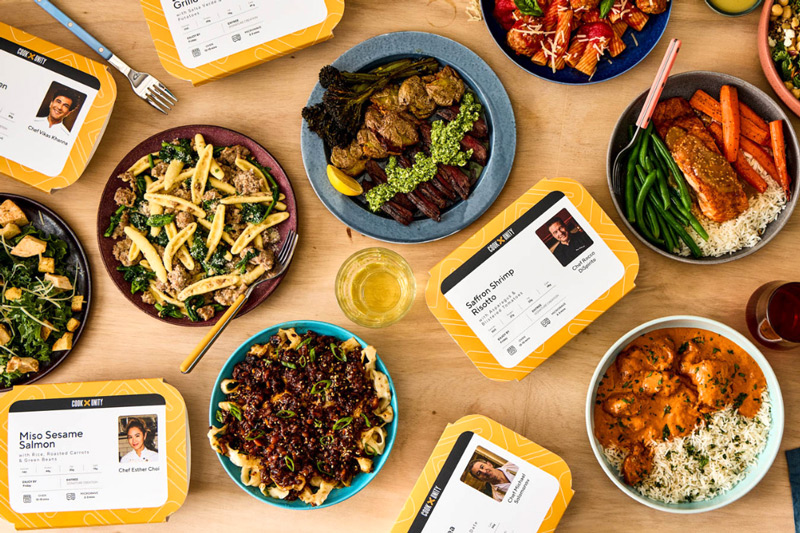
A growing number of residential programs are addressing this problem by eliminating the on-site kitchen entirely and shifting to a delivery-based model. Chef-prepared, individually portioned meals are delivered to the facility on a scheduled cadence, ready to heat and serve in minutes. No commercial kitchen required.
This model, sometimes called Kitchen Replacement, is not a shortcut. It is a deliberate operational decision that resolves the staffing problem, the permitting problem, and the cost variability problem in a single move. It also changes what programs are able to offer residents in terms of variety, cultural relevance, and dietary accommodation.
It is worth being clear about what the model still requires. Programs need refrigeration to store delivered meals and the ability to heat them. This is not zero infrastructure. It is a meaningful reduction in infrastructure and an even more meaningful reduction in operational complexity.
CookUnity Health delivers chef-prepared meals to residential behavioral health and addiction treatment programs across the country. Meals are developed by a network of 130 or more award-winning chefs across 60 or more global cuisines and 15 or more dietary lifestyles, with dietitian-aligned menus and full nutritional labeling on every meal.
What Programs Are Experiencing
When Unlimited Bounds Human Services in Baltimore prepared to open a 95-bed residential behavioral health program, kitchen permitting delays threatened to push back their opening date by months. Within four days of their first conversation with CookUnity, the program was receiving meals and operational. They opened on schedule. Staff were freed from food logistics entirely. The CARF surveyor who reviewed the program later gave positive feedback on the meal program specifically.
“CookUnity helped us open on time despite kitchen permitting delays, handling nutrition and compliance in a way that reduced staff burden and protected patient care during launch.” Markis Johnson, CEO, Unlimited Bounds Human Services.
Project 180 in Los Angeles, a justice diversion and mental health program, found a different version of the same problem. Case managers and clinical staff were spending meaningful portions of their days managing food procurement across seven sites. After switching to a delivery model, the entire program was managed in under an hour per week by the operations team. That time came back to the clinical program.
What It Means for Residents
The operational story matters. But the resident story matters more.
Meals from 130 or more award-winning chefs, rotating across 60 or more global cuisines, offer something institutional food service rarely provides: genuine choice. Hearty, familiar, protein-forward meals that people actually look forward to eating. Dishes that reflect the backgrounds and preferences of the people eating them rather than a lowest-common-denominator menu designed to offend no one.
In a residential treatment environment, where autonomy is limited and the days can feel long, food is one of the few places where a person can experience something personal. The difference between “What would you like tonight?” and “This is what everyone is eating” is not a small one. It is the difference between a meal that communicates dignity and one that communicates compliance.
That matters clinically. Programs that participated in the University of Vermont study saw a 92% meal satisfaction rate. Residents who are food-secure and satisfied with their meals are more likely to engage in therapeutic programming, attend group sessions, and remain in treatment.
What to Consider
Kitchen Replacement is not the right model for every program. Programs that require real-time individual-level caloric adjustments, meal replating for a high-end residential brand, or complex clinical dietary integration at the plate level may find that current delivery-based models do not fully meet their needs. Eating disorder residential programs in particular require a level of clinical food integration that goes beyond what most delivery partners currently offer.
Geography matters as well. Delivery-based food service performs best within established delivery markets. Programs in rural areas should ask specific questions about coverage and contingency protocols before making a decision.
For most residential SUD programs, dual-diagnosis programs, mental health residential programs, and supportive housing organizations, the model resolves a genuine and recurring problem that has no easy solution inside a traditional kitchen infrastructure.
Closing Thought
Food is part of the care. Not a peripheral service. Not an afterthought. What programs choose to put on the plate every day is a statement about how they see the people in their care.
The good news is that programs have more options than they may realize. The operational burden of running an on-site kitchen is not a fixed cost of doing business in residential behavioral health. For a growing number of programs, it is a problem that has already been solved.
To learn more about meal programs for residential behavioral health organizations, visit cookunity.com/business or contact our team at [email protected].
References
Bureau of Labor Statistics via Homebase. (2025). Restaurant and foodservice industry annual turnover rate.
Modular Culinaire. (2026). Commercial kitchen construction: Complete guide.
Soare, A. et al. (2025). Malnutrition in substance use disorders: A critical issue in their treatment and recovery. Healthcare, 13(8), 868.
Sigmon, S.C. et al. University of Vermont Larner College of Medicine. Meal delivery intervention for opioid use disorder and food insecurity.
Terrapin Construction Group. (2026). Commercial construction permitting timeline by state.
Wiss, D.A. et al. (2019); Reid, A. (2014). Cited in Utah State University Extension. (2024). Diet, nutrition, and substance use disorder.