I came to this work with a personal understanding of how overdose affects families and communities. I lost my brother to an unintentional fentanyl overdose two years ago after he took a pill that he believed was oxycodone, given by someone he trusted. The loss reshaped how I understood vulnerability and the urgency of prevention. My experience ties directly to the needs of the behavioral health workforce. Providers are navigating an overdose landscape where risk is no longer confined to long-term substance use. Many overdoses occur in moments of pain, instability, or emotional overwhelm, and the workforce is expected to address these shifting risks while balancing compassion, clarity, and clinical responsibilities.

The drug supply has changed in ways that make prevention even more critical. Counterfeit pills are often manufactured to look identical to legitimate prescriptions yet contain fentanyl in unpredictable concentrations. Many individuals who overdose are unaware they have taken fentanyl. This reality means risk extends to anyone who takes a non-prescribed pill during a stressful or vulnerable moment. Behavioral health providers play an important role in addressing this risk through education, conversation, and proactive safety planning.
Through my MSW training and clinical exposure, I have seen how often people do not view themselves as being at risk for overdose. Some are managing emotional distress or physical pain. Others are navigating instability at home, school, or work. At the same time, many providers are unsure how to talk about overdose unless someone openly identifies with substance use. Hesitation makes sense. Providers want to avoid causing shame or fear. Silence becomes common, and silence often signals that overdose is off-limits as a topic. When overdose is avoided, prevention gets missed.
Upstream overdose prevention brings these conversations into routine care. At Zero Overdose, I support a model that blends Motivational Interviewing with Overdose Safety Planning. This approach helps individuals identify warning signs, high-risk situations, coping strategies, and concrete steps to stay safe. The goal is not to assume someone will use substances. The goal is to recognize moments when pressure, pain, or emotional overwhelm might create risk and to offer a grounded plan that protects health and dignity.
A simple example of how this sounds in practice is: “I want to make sure you feel supported in staying safe, especially during times when pain increases or life feels overwhelming. Many medications that circulate outside of pharmacies are contaminated with fentanyl without people knowing. If there were ever a moment when you felt tempted or pressured to take something not prescribed to you, I would want you to have a plan that keeps you protected. Would you be open to talking through a few strategies together?”
The tone remains calm, respectful, and partnership oriented. The person keeps control of every decision. The provider offers information without judgment.
Strengthening the behavioral health workforce requires more than training. It depends on leaders who model supportive communication, supervisors who create space for questions, and team cultures that normalize discussions about overdose risk. Providers build confidence through practice, reflection, and environments where uncertainty is expected rather than hidden. When staff feel grounded, connected, and supported by their organizations, prevention becomes a natural part of the workday instead of an additional burden.
My commitment to this field is shaped by personal loss and strengthened through my work in prevention. I believe in a behavioral health workforce that feels equipped and supported to recognize overdose risk early and integrate safety planning into routine care. When providers have clear frameworks and training pathways, prevention becomes manageable instead of overwhelming. This creates continuity across service settings, reduces crisis-driven responses, and strengthens recovery-oriented environments. A community that can talk openly about overdose is a community that protects life, and I’m committed to advancing an upstream model that helps providers make that possible.
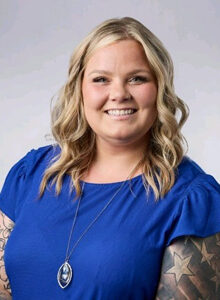
Stephanie Simons is an MSW Intern at Zero Overdose and an MSW Candidate at Saint Mary’s University of Minnesota.