For most young people, career guidance centers on traditional roles—doctor, teacher, engineer, builder. Rarely does anyone tell a child struggling with a mental health condition that their experiences might one day qualify them for a career rooted in healing, empathy, and shared understanding. Instead, early diagnoses often bring limitations: internalized stigma, discrimination in schools and workplaces, and, in some cases, legal intervention in the form of conservatorship. Under conservatorship, individuals may be deemed unable to manage their own physical, financial, or routine decision-making needs. While conservatorship is justified as a tool to ensure safety and care, few would argue that the current system represents the most effective model for supporting long-term recovery—particularly amid a national landscape where community-based mental health services remain severely under-resourced.
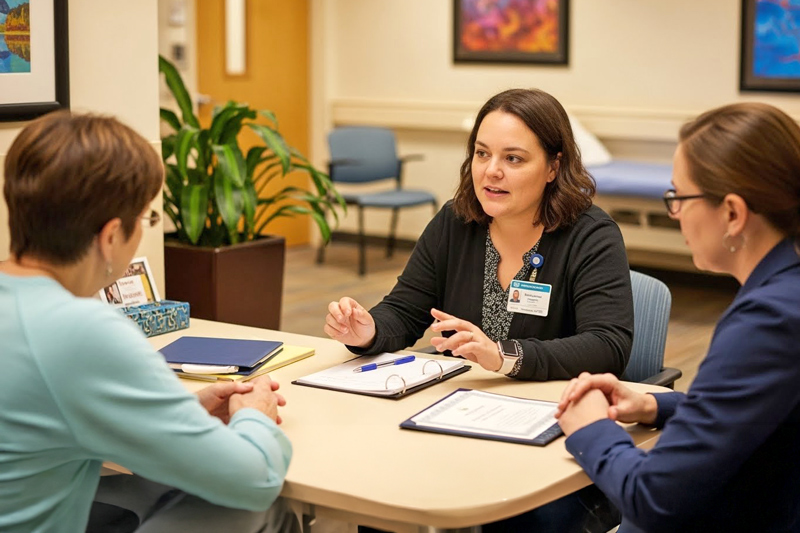
The true value of a Peer Support Specialist (PSS) is rooted not only in formal training but in the depth of lived experience each practitioner brings to the work. While the 80-hour certification training defines our scope of practice, the real preparation begins years—sometimes decades—before a PSS ever steps into a classroom. It is shaped by personal encounters with mental health challenges, the long trajectory toward recovery, and the resilience forged along the way. For many, these experiences give rise to the essential question: Why is this happening to me? Peer Support reframes that question by offering a profound answer—our lived experiences can become the foundation for meaningful, purpose-driven work that supports the recovery of others.
The emerging professionalization of Peer Support offers a critical inflection point. Since becoming a formally recognized Medi-Cal certifiable discipline in California on July 1, 2022, Peer Support has brought a transformative lens to longstanding challenges in behavioral health. As highlighted by the President’s New Freedom Commission Report of 2002, integrating lived experience into care models improves recovery outcomes and strengthens the entire system (Mills et al., 2006).
One of the most innovative applications of this approach is the Peer Employment Learning Center (PELC), developed within California, and based on the new certification standards for the discipline of a Peer Support Specialist. Founded on the belief that all people can recover, PELC was created specifically for individuals placed on conservatorship. The model embraces an essential truth: people do not need to wait until after conservatorship to begin building a future. They can start that journey while still in care, using their lived experience to actively train as Peer Support Specialists.
A Statewide Investment in Recovery
PELC operates across five geographically diverse psychiatric facility settings in California—San Diego, Bakersfield, Eureka, Pleasant Hill, and Fresno/Kingsburg. The program identifies potential participants from within these facilities through targeted outreach and engagement, introducing them to Peer Support as both a discipline and a viable career pathway. Because PSS professionals must have lived experience with recovery, PELC participants bring the ideal foundation to the work.
Importantly, PELC is designed not only for program participants but also for the systems and staff who support them. The model recognizes that organizations themselves must also recover—from the impacts of stigma, outdated policies, and the unintentional disempowerment often perpetuated within institutional settings. PELC therefore invests in whole-system development, ensuring that recovery values are embedded throughout each participating facility.
Peer Employment Learning Center (PELC) Program Components
The PELC project encompasses four major components:
- Planning, Infrastructure, and Organization
- Competency-Based Curricula
- Career Planning and Paid Internship
- Formal Celebration, Community Placement, and Outcomes Measurement
Planning, Infrastructure, and Organization – The process begins with collaboration. Leadership teams, program managers, conservators, vocational coordinators, and training facilitators meet to map out the schedule, allocate resources, and define expectations for each site. Monthly PELC Group Meetings continue throughout the program, ensuring alignment, accountability, and consistent support—extending even beyond the graduation celebration.
Competency-Based Curricula – PELC’s training investment is significant, reflecting its goal of establishing a true Recovery Culture across each organization. Training includes leadership development, staff-wide education, participant-focused skill building, and mentor preparation, totaling hundreds of hours across roles. All leadership and mentors complete the same 80-hour Medi-Cal PSS Certification Training as participants—ensuring a shared understanding of scope, competencies, and recovery principles.
Key curricula include:
- Recovery Practices for Leaders – 16 hours (Martin, C.W., & Ashcraft, L. (2017). Recovery Practices for Leaders. Crestwood Behavioral Health, Inc.)
- Recovery Practices of Organization (All Staff) – 8 hours (Martin, C.W., & Ashcraft, L. (2018). Recovery practices for organizations. Crestwood Behavioral Health, Inc.)
- Medi-Cal Peer Support Specialist Certification (Leadership & Supervisors) – 80 hours (Martin, C.W., & Ashcraft, L. (2016). Peer support learning for the 21st century. Crestwood Behavioral Health, Inc.)
- Resilient Culture Playbook – 8 hours
- How About a Vocation (Resident Candidates) – 16 hours
- Medi-Cal PSS Certification (PELC Participants & Mentors) – 80 hours
- Mentor Training – 4 hours
- Intern Orientation – 4 hours
Through these efforts, the organization adopts a strengths-based approach that elevates hope, agency, and meaningful contribution for everyone involved.
Career Planning and Paid Internship – After completing their 80-hour certification training, participants advance to a 10-week paid internship and become PSS Interns. Each intern works seven paid hours per week carrying out tasks aligned with the official California scope of practice:
- Sharing their recovery story
- Providing intentional one-on-one Peer Support
- Planning and co-facilitating wellness and recovery groups
- Supporting residents in completing recovery documentation
Each intern also receives one hour of weekly mentorship. To ensure financial stability, staff proactively coordinate with conservators and benefits systems to mitigate impacts on SSI or SSDI. Increased earnings often allow interns to save for future needs, softening any temporary adjustments to benefits.
Graduation, Community Placement, and Measured Outcomes – Upon completing the internship, participants graduate in a formal ceremony—caps, gowns, community partners, and family included. Even if individuals discharge before finishing the internship, they are invited to return and celebrate their achievements.
After graduation, vocational planning continues. For individuals still on conservatorship, employment opportunities may continue through the Dreamcatchers program, allowing ongoing paid work as a PSS within the facility. Graduates who are discharged from conservatorship receive support in applying for open positions across Crestwood or within community-based programs. PELC also provides resources to help graduates prepare for and complete the state certification exam to become Certified Medi-Cal Peer Support Specialists (CMPSS).
Expected outcomes include:
- Paid employment as Peer Support Specialists
- Dreamcatcher roles for conservatorship-maintained participants
- Volunteer opportunities to build additional work experience
- Part-time or full-time employment while maintaining benefits
- In rare but powerful cases, full-time employment that leads individuals to voluntarily exit disability status through Ticket to Work
A Model for Systems Change
PELC represents more than a workforce initiative—it is a system-level intervention that reimagines what is possible for individuals on conservatorship. By centering lived experience as a strength, PELC transforms recovery from a theoretical concept into a lived, shared practice. It reframes conservatorship not as an endpoint but as a place where hope and opportunity can take root.
As Peer Support continues to expand nationally, PELC stands as a model for what compassionate, recovery-oriented innovation can accomplish. It recognizes what the evidence has long shown: people recover, communities recover, and systems can recover too.
James A. Ritchie, PhD, CMPSS, Director of Operations at Crestwood Behavioral Health, Inc., Recovery Resilience Solutions, can be reached at James.ritchie@cbhi.net or (209) 313-4511. For more information on the PELC program at Crestwood Behavioral Health, Inc. please visit recoveryresiliencesolutions.com.
References
Mills, C., Stephan, S. H., Moore, E., Weist, M. D., Daly, B. P., & Edwards, M. (2006). The President’s New Freedom Commission: Capitalizing on opportunities to advance school-based mental health services. Clinical Child and Family Psychology Review, 9(3-4), 149–161. https://doi.org/10.1007/s10567-006-0003-3