In today’s rapidly changing behavioral health landscape, frontline staff often face complex challenges that require continuous learning, updating skills, and meaningful guidance from those with deep expertise. Traditional training formats, while valuable, can be difficult to attend due to time constraints, shift work, and the emotional demands of clinical environments. Recognizing these realities, a new and increasingly popular approach to staff development has emerged: a podcast designed specifically for behavioral health professionals.

This unique podcast model begins with simple but powerful practice—listening. By regularly checking in with staff across behavioral health facilities, the podcast creator identifies pressing needs, recurring concerns, and emerging topics essential to daily work. Whether staff are asking for support with trauma-informed care, burnout prevention, recovery-oriented practice, or evolving clinical trends, their voices directly shape each episode.
Once a training need is identified, the podcast brings in expert guests from across the behavioral health field. These leaders, clinicians, researchers, and peer specialists share practical insights and real-world experience that staff might otherwise never have access to. What results is a learning experience that feels personal, energizing, and deeply relevant.
The podcast format itself is part of the innovation. Staff can listen during commutes, breaks, or quieter moments on the job—turning training into something flexible, accessible, and even enjoyable. Rather than sitting through long lectures or navigating dense materials, they can engage in meaningful conversations that speak directly to their professional lives.
Beyond the convenience and quality of content, the podcast includes an important feature that elevates its impact: each episode provides continuing education (CE) certification. This allows employees to meet their training requirements while learning in a way that truly resonates with them. By blending expert knowledge with easy access to CE credits, the podcast bridges the gap between professional development and everyday realities of behavioral health work. Accompanying each podcast is a resume of each guest, giving viewers a chance to get to know the presenters on a deeper level. It also includes a narrative about the implications of the content and followed by three peer-reviewed references that give the viewers a way to easily find other peer-reviewed material that can expand their exposure to the topic.
In an environment where staff support, education, and retention are critical, this podcast stands out as a model of creative and practical innovation. It honors the expertise of those in the field, gives them direct access to leaders they may never meet in person, and turns learning into a dynamic, ongoing conversation.
Want to Try This at Home? Here’s the Formula.
First, know that this is not an expensive process. It’s conveyed through Zoom links with easy access for viewers. It can be set up much like a Zoom conversation between the host and the guest. Some questions are known before the podcast begins, and some are impromptu, leaving room for spontaneous ideas to surface.
The guiding content principles we use to keep us on track are:
- The podcast must present new and innovative ideas that will inspire the listener to try new approaches to their work.
- There must be a degree of intimacy on both the part of the host and the guest. This can include questions or stories that bring forth deep feelings of joy and sadness, disappointment and satisfaction. We bring the conversation around to beliefs and doubts that leave room for a robust discussion that provide a safe setting for staff to explore new ways of doing the work that is sustainable.
- Most accrediting bodies require a written description of the content, at least five learning objectives, an agenda that reveals how much time is spent on each objective, and a 10-question test.
As behavioral health continues to evolve, so must the ways we support the workforce. This process not only delivers knowledge, but it also builds connection, relevance, and a sense of shared purpose. And in behavioral health, that can make all the difference.
To view podcasts that we have created, visit the Crestwood Recovery Resilience Solutions website and click on Viva La Evolution. There you will find more than 64 podcasts that feature interviews with leaders in the recovery and behavioral health field, as well as people who are in recovery and how they got there.

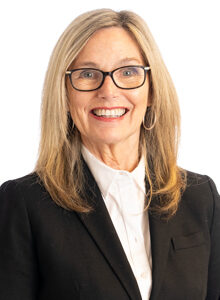
Lori Ashcraft, MSW, MPA, PhD, ITE, is the Executive Director of Resilience, Inc. and can be reached at lori@resilience4u.us or (530) 913-7387.
Patty Blum, PhD, CPRP, ITE, is the Chief Operating Officer and EVP of Crestwood Behavioral Health, Inc. and can be reached at pblum@cbhi.net or (916) 471-2245.