Substance use disorder (SUD) has taken a devastating toll on the Nation’s Tribal Lands, yet Tribal Nations are confronting the crisis with courage, creativity, and cultural wisdom. Native communities carry a disproportionate burden of addiction and mental health challenges while facing some of the most limited access to care, particularly culturally relevant care that honors the spiritual dimensions of recovery.
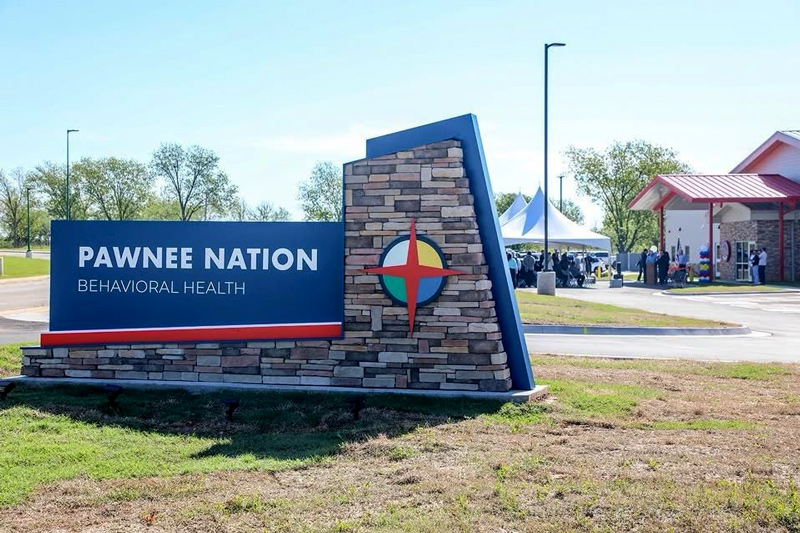
The Pawnee Nation Behavioral Health Facility
To bridge this gap, Tribes are forging their own pathways to healing. At Ascension Recovery Services (ARS), we have the privilege of partnering with the Pawnee Nation of Oklahoma on one such effort: a landmark behavioral health and SUD treatment center. The Pawnee Nation Behavioral Health Facility represents more than a building; it’s a declaration that lasting recovery is grounded in community.
A National Crisis that’s Close to Home
SUD touches nearly every family in America, but for Native peoples the impact is especially profound. Youth in Tribal communities often begin substance use earlier and experience more co-occurring conditions. National surveys show that roughly 41% of American Indian and Alaska Native adults report either a SUD or mental illness diagnosis within the past year, far above the national average. CDC data show that overdose mortality among American Indian and Alaska Native people is now the highest of any racial or ethnic group at 65 deaths per 100,000 in recent years.
Too often, treatment options are hours away, under-resourced, and culturally disconnected. Traditional Western programs rarely integrate ceremony, language, or community healing practices essential to Native identity. This leads to lower engagement, shorter retention, and missed opportunities to change lives.
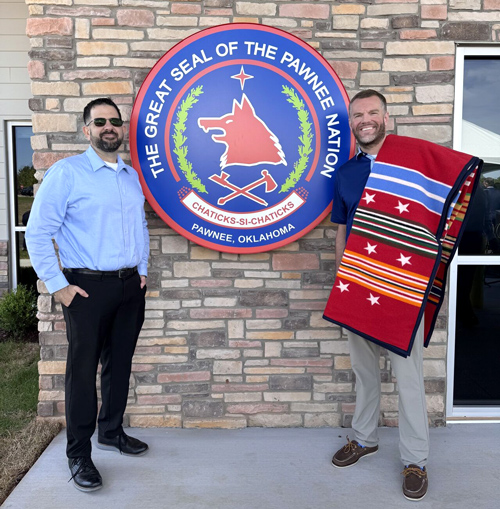
Stephen Facella, CEO, Ryker Douglas, and Douglas Leech, CEO, Ascension Recovery Services, in front of the Pawnee Nation Behavioral Health Facility
Why Tribal-Led Solutions Matter
Successful healing solutions must be shaped by those who understand the root causes of pain; addiction is no exception. When Tribes design and operate their own behavioral health systems, they define what true wellness means. Locally led programs repair trust and allow traditional and evidence-based methods to coexist.
Additionally, tribally owned health centers keep economic resources where they are needed most: within the community. Every counselor hired, meal served, and support contract awarded strengthens the local workforce and reinforces Tribal sovereignty.
The Pawnee Nation’s Blueprint for Healing Sovereignty
The newly completed Pawnee Nation Behavioral Health Facility is a $22 million initiative that includes a 26-bed detoxification and residential unit, outpatient services, and wraparound care for individuals and families navigating addiction. What makes the project extraordinary is not only its cultural design but its financing: the facility was built at no direct cost to the Tribe.
Together, the Pawnee Nation and ARS assembled a diverse capital stack that blended Tribal American Rescue Plan Act (ARPA) funds, federal and state grants, New Markets Tax Credits facilitated by Ryker Douglas, Baker Tilly, USDA-backed loans, and short-term, non-dilutive private investments.
From the intimacy of room designs to community-centered spiritual-care spaces that honor holistic health, and the art of storytelling, Elders, clinicians, and community members shaped the vision so that every element reflects the heart of Pawnee values.
Beyond Treatment: Rebuilding Economies and Culture
Investing in behavioral health is also economic development. The Pawnee Nation project supports dozens of skilled jobs and workforce development training. When recovery services operate within the community, transportation costs drop, family involvement rises, and the benefits ripple outward to schools, workplaces, and future generations.
For many Tribal leaders, this kind of project represents healing sovereignty: the ability to reclaim health, identity, and prosperity on their terms. Every dollar reinvested locally reduces dependency on culturally disconnected systems and reinforces a continuum of care that sustains long-term recovery.
A Model for the Nation
As CEO of Ascension Recovery Services, I’ve learned that the most powerful solutions are those built with communities, not for them. The Pawnee Nation Behavioral Health Facility proves that culturally grounded, financially strategic recovery centers can thrive and that Tribes need not shoulder the financial burden alone.
Across the country, other Native Nations are exploring similar initiatives using innovative funding mechanisms such as 638 compacts, 340B pharmacy programs, and USDA loans. The momentum is real, and the impact extends far beyond Tribal Lands. These projects demonstrate what’s possible when we invest in wellness as a driver of both public health and economic vitality.
Investing in healing is investing in a future where recovery is not imported but homegrown.

Douglas M. Leech is the Founder and CEO of Ascension Recovery Services. He can be reached at Doug@AscensionRS.com. For more information, visit www.AscensionRS.com.