New York State has made tremendous investments in mental health treatment and services since 2022 and has made great progress addressing mental health needs in our State with a series of initiatives, such as expanding prevention and access, embracing innovative treatment methods, and increasing supportive housing. But in this new era of opportunity, demographic trends require creative solutions to ensure the public mental healthcare system has enough trained and talented staff across a range of fields to ensure a high quality of care.
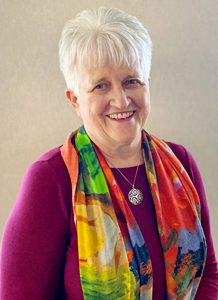
Ann M. Sullivan, MD Commissioner, NYS OMH
Current population trends impacting the workforce include the ongoing retirement of the Baby Boomer generation, longer lifespans, declining birthrates, and since 2010 declining and shifting college enrollment. To compound these issues, more individuals are seeking behavioral health services. All of this signifies a worsening workforce shortage in the decades ahead.
The New York State Office of Mental Health (OMH) is spearheading several diverse initiatives to address the workforce crisis aimed at retaining current staff and attracting new individuals to the public mental health system. The OMH workforce strategy is multifaceted and is grounded in partnerships with other state agencies, education systems, professional associations, and provider agencies.
One of the greatest stressors for individuals working in the public mental health system is student loan debt. With funding from the New York State budget, OMH operates the Community Mental Health Loan Repayment Program. This initiative gives community-based providers an incentive to attract or retain trained mental health professionals by repaying a portion of their student loans for a three-year service commitment. To date, the program has committed roughly $45 million in annual loan repayment on behalf of 1,445 mental health professionals — including 135 psychiatrists, 258 psychiatric nurse practitioners and physician assistants, 32 psychologists, 631 licensed master social workers, 189 licensed mental health counselors, 155 licensed clinical social workers, and 32 licensed creative arts therapists.
An additional $4 million annual investment was added to the Community Mental Health Loan Repayment Program in the last fiscal year. This funding was awarded to OMH and the State Office of Children and Family Services for the purpose of offering loan repayment for licensed professionals providing services to children and youth experiencing behavioral health challenges. Future rounds of this program will target individuals serving traditionally underrepresented communities as well as clinicians who provide multi-lingual services.
The New York State Department of Labor (DOL) is also instrumental in OMH’s workforce strategy. OMH is working with the DOL to create registered apprenticeships for the mental health system. Registered apprenticeships allow participants to learn essential skills on the job. Graduates of this program will earn a nationally recognized credential.
Partnerships with institutes of higher education allow OMH to support the future workforce. In the last few years, OMH partnered with the State University of New York and City University of New York to offer a scholarship pathway program for underrepresented or multilingual students in mental health degree programs. Recipients of this funding received tuition assistance, paid internships, and stipends.
Such investments in higher education are crucial to building pathways into the public mental health system. In 2001, OMH partnered with multiple New York Schools of Social Work to create a program to teach master level students evidence-based mental health practices. Students in the program receive training and education in recovery-oriented, evidence-based practices through approved internships, coursework, and colloquia. More than 5,000 social work students have completed the coursework for this program. In 2023, this program was adapted for Mental Health Counseling master level students. Both programs add new schools every year.
In the last year, OMH partnered with New York City Health and Hospitals to create a fellowship program for physician assistants (PA). While New York has nearly 20,000 licensed PAs, only about 2 percent specialize in psychiatry. That’s even though more than 60 percent of PAs report evaluating mental health conditions in their patients on a weekly basis. The Psychiatric Physician Assistant Career Pathways Program will provide physician assistants with the training and experience necessary to work in the public mental health system. The first cohort of physician assistant fellows began in September.
Strengthening and growing the peer and unlicensed support staff is part of the OMH workforce strategy to address the impact of population changes in the state. OMH is creating a credential for mental health paraprofessionals. The Credentialed Mental Health Support Specialist (CMHSS) will provide identity, standardization, and specialized training for support staff who work in the system. The CMHSS will have multiple levels, creating a career ladder for unlicensed staff. Peers are a critical piece of the mental health workforce. OMH recently awarded 10 grants for $275,000 each to community-based organizations. These organizations are tasked with partnering with grassroots organizations to recruit youth and family peers to work in their own communities. The goal is to recruit and train 150 diverse youth and family peers across the state.
New York has also become one of seven additional states joining the youth Mental Health Corps, which is a collaborative program in schools and communities that offers young adults a pathway into behavioral health careers. This initiative is designed to build a service-to-career pathway for 18-to-29-year-old peers, who gain experience toward a Youth Peer Advocate credential and earn AmeriCorps member benefits.
Strategies to support staff retainment are as important as initiatives aimed at recruiting individuals to the public mental health system. One of the most effective retainment strategies is offering free training opportunities for the workforce. OMH funds more than two dozen training platforms and technical assistance centers. These platforms provide quality training on various topics including clinical services, trauma-informed care, suicide prevention, cultural awareness, and implementation of evidence-based practices.
Another imperative part of the OMH workforce strategy is educating the public about mental health careers and connecting career seekers to open positions. To meet this need, OMH is creating a new workforce website. The website will allow individuals to research mental health career pathways, mental health program settings, workforce initiatives, and connect to open mental health positions.
Wages are another important part of growing the workforce. Governor Kathy Hochul has shepherded through targeted inflationary wage increases for community mental health providers in each of the last three years, along with salary enhancements for direct care staff at state-operated facilities. OMH is also using the flexibility provided by the state Department of Civil Service’s Hiring for Emergency Limited Placement Statewide, or “HELPS” program, to streamline hiring.
There is no question that building and maintaining a strong, dexterous mental healthcare workforce will take ongoing commitment and creativity in the years to come. OMH is committed to supporting individuals who choose to work in the public mental health system.
Dr. Ann M. Sullivan is Commissioner of the New York State Office of Mental Health.